How to Choose the Right Steel Products for Your Construction Project
- imran Khan
- Jan 20, 2025
- 3 min read


When planning a construction project, selecting the right steel products is one of the most crucial decisions you will make. Steel is renowned for its strength, versatility, and durability, making it a staple in modern construction. However, with so many options available, finding the perfect steel products for your needs can be daunting. This guide will walk you through the key factors to consider when choosing steel products, including steel angles, bars, beams, and channels, ensuring your project is both cost-efficient and structurally sound.
Understanding Steel Products and Their Importance
Steel products come in a wide variety of shapes and specifications, each designed to serve specific functions in construction. From steel angles providing structural support to steel bars reinforcing concrete, every type has its own unique role. By selecting the right product, you enhance the safety, efficiency, and longevity of your project. Investing time in understanding these products ensures that your construction meets industry standards and withstands the test of time.
Factors to Consider When Choosing Steel Products
1. Project Requirements
The type of construction project significantly influences your choice of steel products. For instance, high-rise buildings require robust steel beams and channels to bear heavy loads, while smaller residential projects might rely more on steel bars for reinforcement. Assess the scope and structural demands of your project before making a decision.
2. Types of Steel Products
Steel Angles: Often used in frameworks, these L-shaped products offer excellent stability and load-bearing capacity. They are commonly utilized in bridges, towers, and other structural applications.
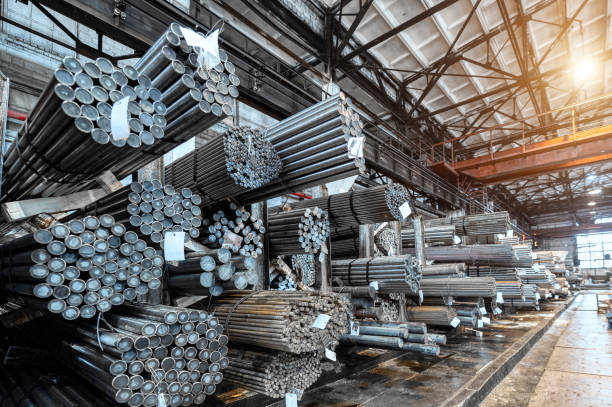
Steel Bars: These come in various forms, such as round, square, and TMT bars. Steel bars are primarily used for reinforcing concrete, enhancing tensile strength and durability.
Steel Beams: Beams are critical for supporting heavy loads. Available in I-beam, H-beam, and T-beam shapes, they provide vertical and horizontal support in structures like bridges and buildings.
Steel Channels: These U-shaped products are versatile and commonly used for framing and bracing. Steel channels are essential in manufacturing, vehicle construction, and structural applications.
Understanding the role of each type of steel product ensures you select the right materials for the right job.
3. Material Grade
Steel products come in various grades, each indicating their strength, durability, and resistance to corrosion. For example, mild steel is suitable for general purposes, while high-tensile steel is ideal for projects requiring additional strength. Consult with your supplier to choose a grade that aligns with your project’s specifications.
4. Compliance with Standards
Ensure that the steel products meet local and international construction standards. Using certified products guarantees safety and quality, reducing the risk of structural failures. Look for certifications like ISO, ASTM, or EN standards when sourcing steel angles, bars, beams, or channels.
5. Supplier Reputation
Selecting a reliable steel supplier is as important as choosing the right product. Research their reputation, product quality, and delivery timelines. A trusted supplier can provide expert guidance, helping you select steel products tailored to your project’s requirements.
Tips for Cost-Efficient Steel Product Selection
Balancing quality and cost is crucial in construction. Here are some tips to ensure cost-efficiency:
Bulk Purchases: Buying steel products in bulk often reduces overall costs. Collaborate with suppliers to negotiate discounts for large orders.
Opt for Standard Sizes: Custom sizes may increase expenses. Whenever possible, choose standard dimensions for steel angles, bars, beams, and channels to save money.
Plan Ahead: Advance planning reduces the chances of material shortages or over-ordering, saving time and resources.
Benefits of Using the Right Steel Products
Selecting the correct steel products offers numerous advantages:
Enhanced Structural Integrity: Properly chosen steel beams and channels ensure buildings can withstand heavy loads and environmental stress.
Increased Longevity: High-quality steel bars and angles contribute to a structure’s durability, reducing maintenance costs over time.
Design Versatility: Steel’s flexibility allows architects to create innovative designs without compromising strength.
Common Mistakes to Avoid
Ignoring Load Requirements: Underestimating the load-bearing capacity of steel beams or channels can lead to structural failures.
Overlooking Corrosion Resistance: In projects exposed to moisture, failing to choose corrosion-resistant steel products can lead to rapid deterioration.
Compromising on Quality: Opting for cheaper, low-grade materials might save money initially but can result in costly repairs or replacements later.
Skipping Expert Advice: Consult engineers or construction experts when in doubt. Their insights can prevent costly errors.

Final Thoughts
Choosing the right steel products—whether steel angles, bars, beams, or channels—is essential for the success of any construction project. By understanding your project’s needs, researching product types and material grades, and working with reputable suppliers, you can ensure a strong and durable structure. Take the time to assess all factors carefully, and you’ll build with confidence, knowing your construction is safe and cost-efficient.
Whether you’re constructing a skyscraper or a small home, the right steel products make all the difference. Remember, quality materials form the backbone of quality construction.


Comments